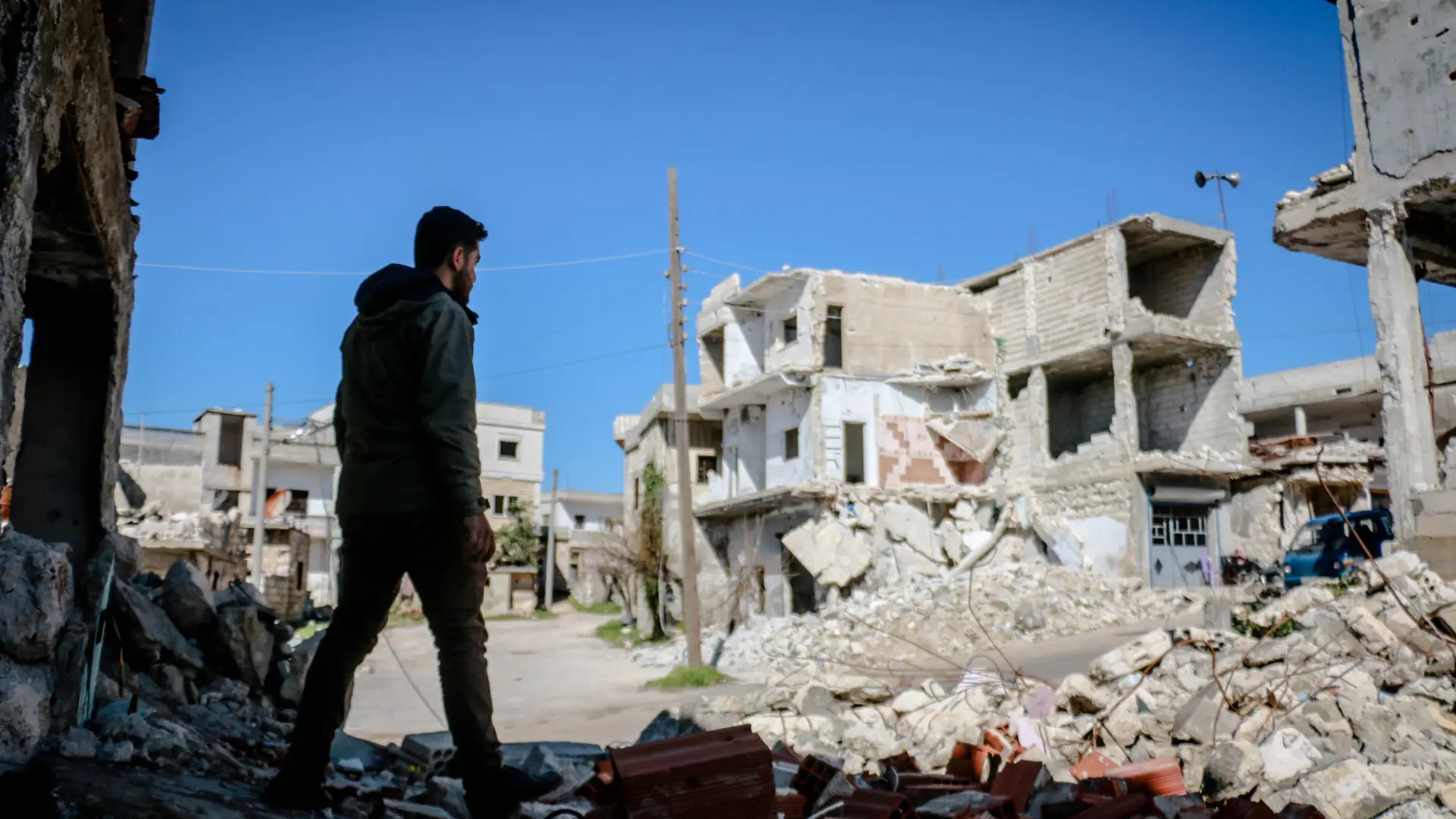
War and armed conflict affect far more than the regions where violence occurs. While the mental health impacts on people living in conflict zones are profound, war can also affect the emotional well-being of people across the globe who follow events through news and social media.
Prolonged conflicts disrupt global systems and can create stressors that affect mental health worldwide. Major conflicts can disrupt supply chains, increase inflation and the cost of living, create food and energy instability, and reduce economic growth. Distressing headlines and economic pressures can increase anxiety and strain households even in countries far from the conflict.
Understanding the impacts of war on mental health on a global scale can help individuals recognize their own reactions and take steps to protect their mental health.
The Mental Health Global Impact of War
You do not need to live in a conflict zone to feel the psychological effects of war. According to Mental Health America, watching a crisis unfold through news and social media can trigger a range of emotional responses, including: grief and sadness, fear and anxiety, anger, depression, and guilt.
Viewing upsetting news footage activates the body’s fight-or-flight response, releasing adrenaline and the stress hormone cortisol. This can cause physical symptoms similar to those experienced during direct threats.
Research shows that even short periods of news consumption can affect mental health. One study found increased symptoms of anxiety and depression after just 14 minutes of news exposure, especially when people feel powerless to improve the situation. Research following the war in Ukraine found a measurable decline in global well-being associated with social media coverage of war, highlighting how large-scale conflicts can influence mental health far beyond the conflict zone.
More than half of Americans get their news through social media, where algorithms and headlines are designed to keep users engaged. This can lead to repeated exposure to distressing content and make it difficult to disconnect. People may be especially affected when the news feels personally relevant or when they share cultural, national, or personal connections with those involved.
Signs You May Be Overwhelmed by the News
According to the American Psychological Association, excessive exposure to negative news coverage can harm both mental and physical health. Warning signs may include:
• Intrusive thoughts about news or current events throughout the day
• Persistent anger, anxiety, or resentment after reading the news
• Increased alcohol or substance use to cope with stress
• Loss of interest in activities unrelated to the news
• Difficulty concentrating
• Trouble sleeping
Recognizing these signs early can help prevent distress from becoming overwhelming.
Protecting Your Mental Health During Times of Conflict
Mental health professionals recommend taking intentional steps to protect your well-being.
Limit news consumption
• Set specific times to check the news
• Avoid constant updates
• Take breaks from social media
Choose reliable sources
• Follow reputable news organizations
• Avoid sensational or repetitive content
Pay attention to your reactions
• Notice physical or emotional stress signals
• Take breaks when needed
Stay connected
• Talk with friends or family about how you’re feeling
• Seek support if distress persists
Take positive action
• Volunteer or donate if you feel moved to help
• Focus on actions within your control If you are a caregiver, parent, or guardian, consider limiting or avoiding media exposure for children and other vulnerable individuals
When to Seek Support
If distress from news or global events begins to interfere with your daily life, relationships, or sleep, consider reaching out to a mental health professional. Support can help you process difficult emotions and build healthy coping strategies.
At Mental Health Connecticut, we recognize that global events affect emotional well-being, and help is available if you need it.