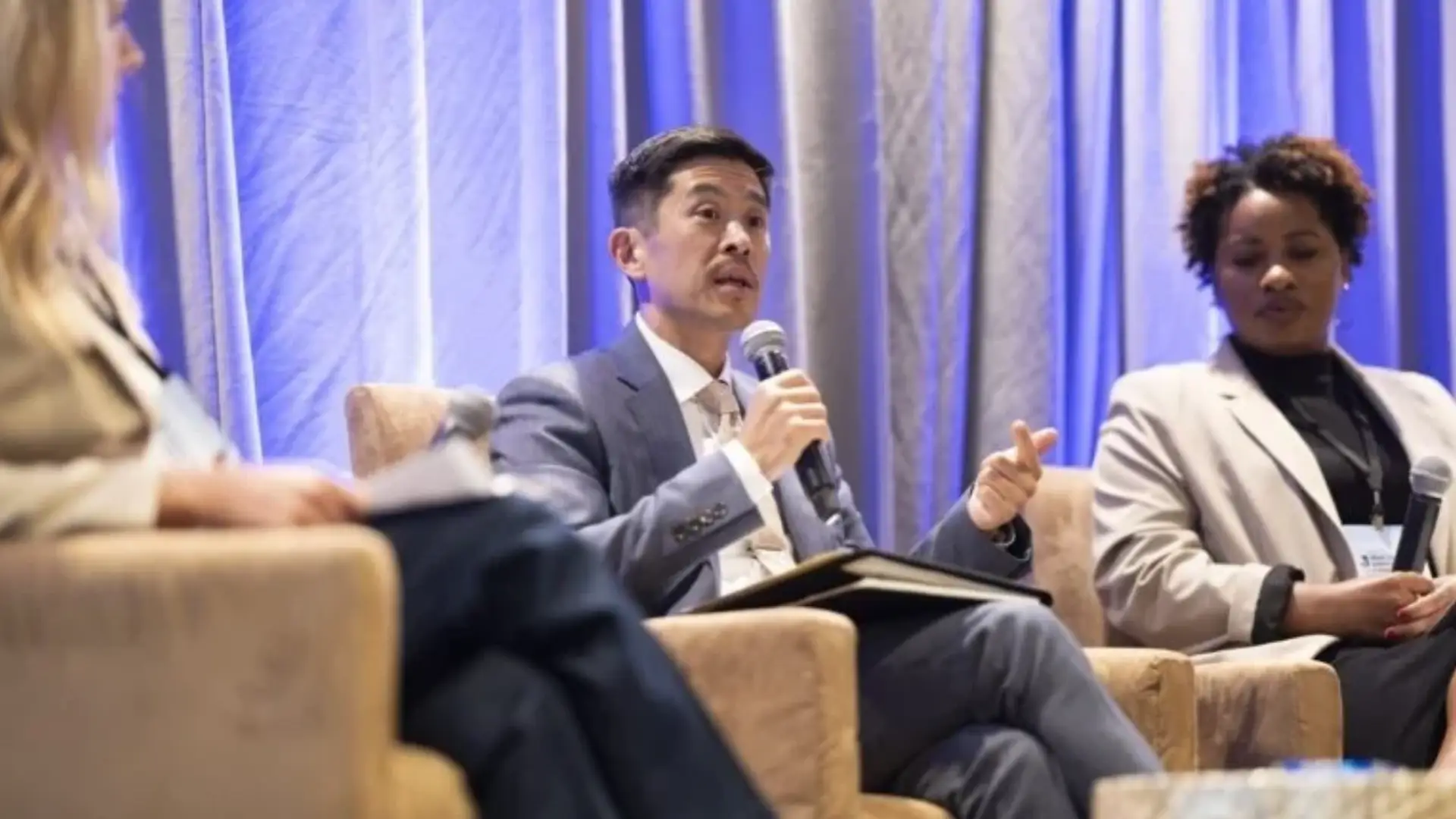
Each year, the Mental Health America Conference brings together mental health professionals, advocates, researchers, and community leaders to explore emerging approaches to care, address barriers to services, and identify ways to strengthen mental well-being.
Representatives from Mental Health Connecticut (MHC) attended the 2026 conference in Washington, D.C., gaining insights on social connection, innovative treatments, aging, accessibility, and community-based support. The experience offered opportunities to build on MHC’s existing initiatives while exploring new ways to support individuals and communities across Connecticut.
Strengthening Connections Through Community
One of the conference’s strongest themes was the importance of human connection in supporting mental well-being. Sessions explored how intentional engagement, active listening, and shared experiences can help address loneliness and isolation.
Jennifer Hunter Smith, Senior Director of Residential Services at MHC, was especially inspired by presentations on community sharing circles, which encourage participants to share personal experiences and build stronger relationships.
Lysa Fusco, Director of Residential Services at MHC, also saw potential in this approach. “The idea that the circle brings people closer together and that sharing personal items to speak about helps for people to open up,” Fusco shared.
Both identified opportunities to introduce community circles and other group activities into MHC’s residential programs, creating additional spaces for participants and staff to connect and support one another.
These ideas complement MHC’s existing emphasis on connection through initiatives such as the Art of Wellbeing program, which brings people together through creative expression and shared experiences. Another conference concept, developing a personal “recipe for better days,” could build on this work by encouraging participants to identify activities, routines, and relationships that support their mental well-being.
Exploring New Approaches to Mental Health and Recovery
The conference also highlighted the importance of exploring innovative, person-centered approaches to mental health care.
One presentation that stood out to Hunter Smith and Fusco introduced the Cortina Method, a brain-based approach developed by Michael Cortina that incorporates movement and other techniques to address trauma.
Hunter Smith was particularly interested in its focus on addressing trauma without requiring individuals to repeatedly revisit traumatic experiences. Following the conference, she connected with Cortina and attended another webinar to learn more.
Fusco also recognized potential connections to MHC’s Art of Wellbeing programming, particularly its dance and movement activities. Exploring these approaches could offer opportunities to expand existing wellness programming while continuing to recognize that recovery looks different for everyone.
As Fusco reflected, “The innovative minds that work in the field give me hope for the future of mental health as well.”
Expanding Mental Health Support for Older Adults
Another important conference focus was the growing need for accessible mental health services for older adults. Sessions addressed challenges including ageism, transportation barriers, limited provider access, and awareness of mental health risk factors.
For Jacquilyn Davis, Director of Learning & Workforce Development at MHC, these discussions highlighted opportunities to expand community education and outreach. She identified potential partnerships with senior centers and emphasized the value of Mental Health First Aid training for older adults and caregivers.
These takeaways align with MHC’s broader commitment to mental health education, advocacy, and community-based support. Building relationships with senior centers and other community organizations could help MHC extend its reach and connect more older adults and caregivers with resources.
Supporting Mental Health Where People Live and Work
Conference discussions also explored how everyday environments influence mental well-being, from the challenges of chronic pain to workplace stress and burnout.
Davis attended sessions examining the emotional impact of chronic illness and the disconnect between available workplace mental health resources and their actual use. These conversations reinforced the need to make support accessible, visible, and relevant.
This perspective connects directly to MHC’s work supporting individuals in their homes and communities, as well as its ongoing mental health education and advocacy efforts. It also highlights opportunities to strengthen awareness of available resources and encourage organizations to create more supportive environments.
“It’s not just the person who needs our attention – it’s their environments that they live in,” Davis shared. “Workplaces, homes, communities – we can make a positive difference for others by working together to improve the environments they live in.”
Turning Conference Insights Into Community Impact
For the MHC team, the conference provided more than new perspectives. It reinforced the importance of work already underway while introducing opportunities to strengthen programs, expand partnerships, and explore new approaches to mental wellness.
Whether through meaningful social connections, creative wellness activities, or greater access to community resources, the takeaways reflect MHC’s commitment to meeting people where they are and supporting mental well-being throughout their lives.
As Fusco summarized, the message is simple: More Good Days Together. “We have to continue to fight the good fight together because together we are stronger and more impactful.”